Our stock of native trees:
When sponsoring an individual sapling please choose the species you would like when ordering.
Groups of trees will be a balance mix of sapling species


English Oak - Quercus robur
Oak is one of the UK’s most important native trees. It supports more wildlife than any other, providing food and shelter for hundreds of insects, birds and mammals. Its strong root system stores carbon and helps stabilize soil, while its canopy cools and moistens the air. Ancient oaks act as long‑term carbon sinks, rich habitats and living landmarks in our landscapes.
Downy Birch - Betula pubescens
Downy birch is a slender native tree found across the UK, especially on wetter, poorer soils. Its light canopy lets plenty of sunlight reach the ground, encouraging a rich ground layer of plants and mosses. The tree supports insects, fungi and birds, improves soil structure and helps capture carbon, making it valuable for restoring diverse, resilient woodland.
Wild Cherry - Prunus avium
Wild cherry is a graceful native tree scattered across woodlands and hedgerows in the UK. Its spring blossom provides an early nectar source for pollinators, while the bright red cherries feed birds and small mammals. By enriching food chains and adding seasonal diversity, wild cherry helps create lively, resilient woodland and supports natural regeneration.
Hazel - Corylus avellana
Hazel is a classic UK woodland shrub or small tree, often managed as coppice. Its catkins provide early pollen for bees, and the nuts are a rich food source for squirrels, dormice and birds. Dense hazel thickets offer shelter and nesting sites, boosting biodiversity and helping create layered, wildlife‑rich woodland structure.
Hawthorn - Crataegus monogyna
Hawthorn is a tough, spiny native tree common in UK hedgerows and woodland edges. In spring its blossom feeds a wide range of pollinating insects, while the autumn haws provide vital berries for birds and small mammals. Its dense, thorny branches offer safe nesting and shelter, making hawthorn a key species for wildlife‑rich boundaries.
Blackthorn - Prunus spinosa
Blackthorn is a tough, spiny native tree found in hedgerows, woodland edges and scrub across the UK. Its early white blossom feeds pollinators when little else is in flower. Dense thickets give nesting and shelter for birds and small mammals. The sloes support insects, birds and mammals, making blackthorn vital for wildlife-rich, resilient landscapes.
Goat Willow - Salix caprea
Goat willow is a small, native UK tree found in damp woods, riversides and wet ground. Its early “pussy willow” catkins are a key nectar and pollen source for bees and other insects in late winter and spring. The leaves feed many moth caterpillars, while dense branches give shelter and nesting sites, strengthening wetland and woodland ecosystems.
Black Alder - Alnus glutinosa
Black alder (common alder) is a native UK riverside tree, thriving in wetlands, stream banks and damp ground. Its roots host nitrogen-fixing bacteria, enriching soils and stabilising banks, reducing erosion. Catkins and small cones feed insects and birds, while dense, damp shade supports mosses, fungi and invertebrates. Alder woodlands are vital refuges for freshwater and riparian wildlife.
Mountain Ash - Sorbus aucuparia
Mountain ash (rowan) is a hardy native UK tree found in woods, hedgerows and upland slopes. Its creamy spring flowers are rich in nectar and pollen for bees and other insects. Clusters of bright red berries feed thrushes, waxwings and small mammals. Rowan’s light canopy shelters woodland plants and supports many insects, enriching upland and urban habitats.
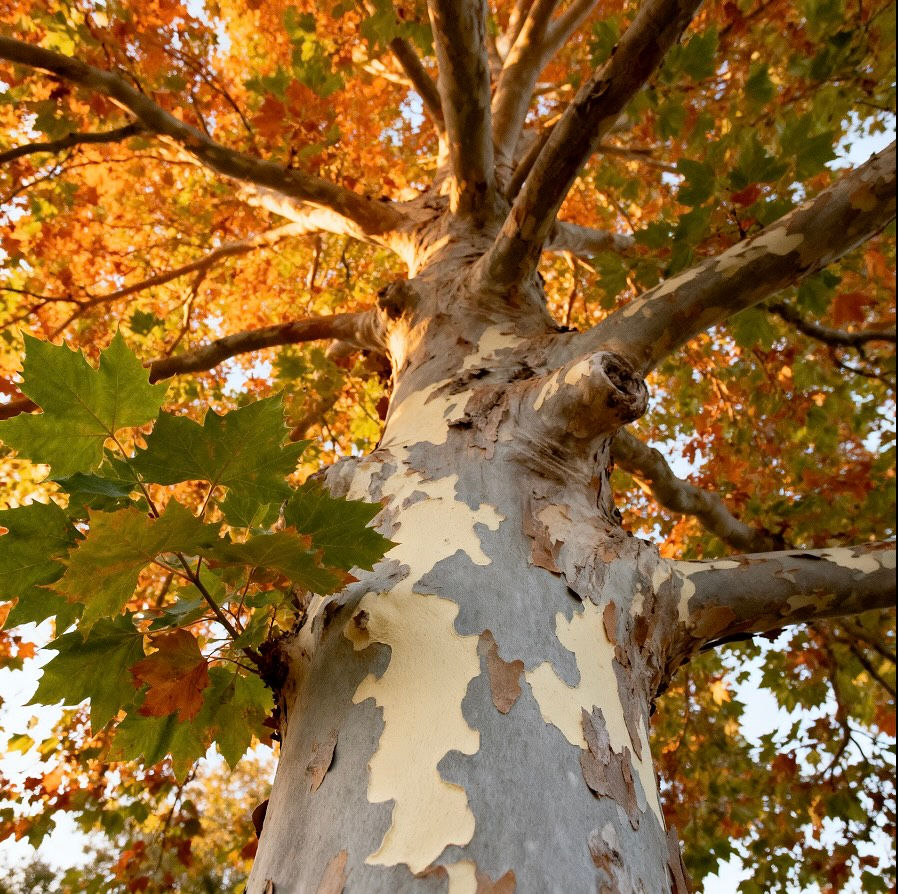
Sycamore - Acer pseudoplatanus
Sycamore is a tall, broad-crowned tree now common across the UK in towns, parks and woodlands. Its early spring flowers provide nectar and pollen for bees and hoverflies. The large leaves host aphids and other insects, which in turn feed birds and bats. Sycamore offers shade, urban cooling, and strong, durable wood for many practical uses.